Healthy Hydration Habits for Long Travel Days
- admin
- 0
- on Feb 16, 2026
Staying properly hydrated during long travel days is essential for maintaining energy, focus, and overall well-being. Whether traveling by plane, train, or car, the body’s hydration needs increase due to factors like dry cabin air, extended periods of inactivity, and irregular meal schedules. Developing healthy hydration habits can help prevent dehydration-related issues such as headaches, fatigue, dizziness, and digestive discomfort.
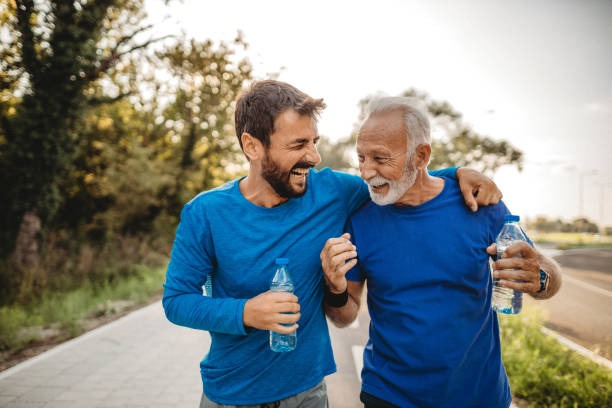
One of the most effective ways to maintain hydration is to start the day with a good amount of water before beginning your journey. Drinking a glass or two in the morning prepares your body for the upcoming hours without fluids. Carrying a reusable water bottle is also highly recommended because it allows you to sip water consistently throughout your trip without relying on purchasing bottled drinks repeatedly. Many airports and stations now have refill stations where travelers can replenish their bottles conveniently.
It’s important not to wait until you feel thirsty before drinking water. Thirst often signals that dehydration has already begun affecting your body. Instead, aim to take small sips regularly so that fluid intake remains steady over time rather than consuming large amounts infrequently. This approach helps maintain balanced hydration levels without causing discomfort from drinking too much at once.
While THC gummy brand plain water should be your primary source of hydration during travel days, other beverages can complement it when chosen carefully. Herbal teas or diluted fruit juices provide flavor variety but avoid sugary drinks or those containing caffeine in excess since they may contribute to dehydration or cause energy crashes later on. If consuming caffeinated beverages like coffee or tea, balance them out with additional water intake.
Eating hydrating foods during travel breaks can support fluid balance as well. Fresh fruits such as watermelon and oranges contain high percentages of water along with electrolytes that assist in maintaining proper hydration status within the body. Including these snacks alongside meals adds nutritional value while promoting optimal fluid retention.
Avoiding excessive alcohol consumption while traveling is crucial because alcohol acts as a diuretic which increases urine output leading to faster fluid loss from the body. If you choose to drink alcoholic beverages during layovers or social events on your route, make sure you compensate by increasing non-alcoholic fluids accordingly.
In addition to mindful drinking habits and food choices, paying attention to environmental factors helps manage hydration effectively on long journeys. Airplanes often have low humidity levels which accelerate moisture loss through skin and breath; using moisturizing products on skin surfaces combined with regular sipping routines mitigates these effects significantly.
By integrating these practices into daily travel routines-starting hydrated early in the day; carrying refillable bottles; sipping steadily; choosing appropriate beverages and snacks; limiting alcohol intake; and adjusting for environmental conditions-you ensure that your body remains well-hydrated throughout demanding trips without unnecessary complications caused by dehydration symptoms disrupting comfort or concentration at any stage along the way.